|
|

|
|
View in browser
|
Anticoagulation Reversal in TBI
07/28/2026
|
|
IT’S TRAUMA TUESDAY is
a Free Weekly Newsletter
Brought to you by
TCAR
Education Programs
|
|
For nurses and other clinicians
practicing anywhere
along the trauma care
spectrum
|
|
|
|
|
|
Take a quick test of your trauma care
knowledge
|

|

|

|
|
|
|
Article of the Week
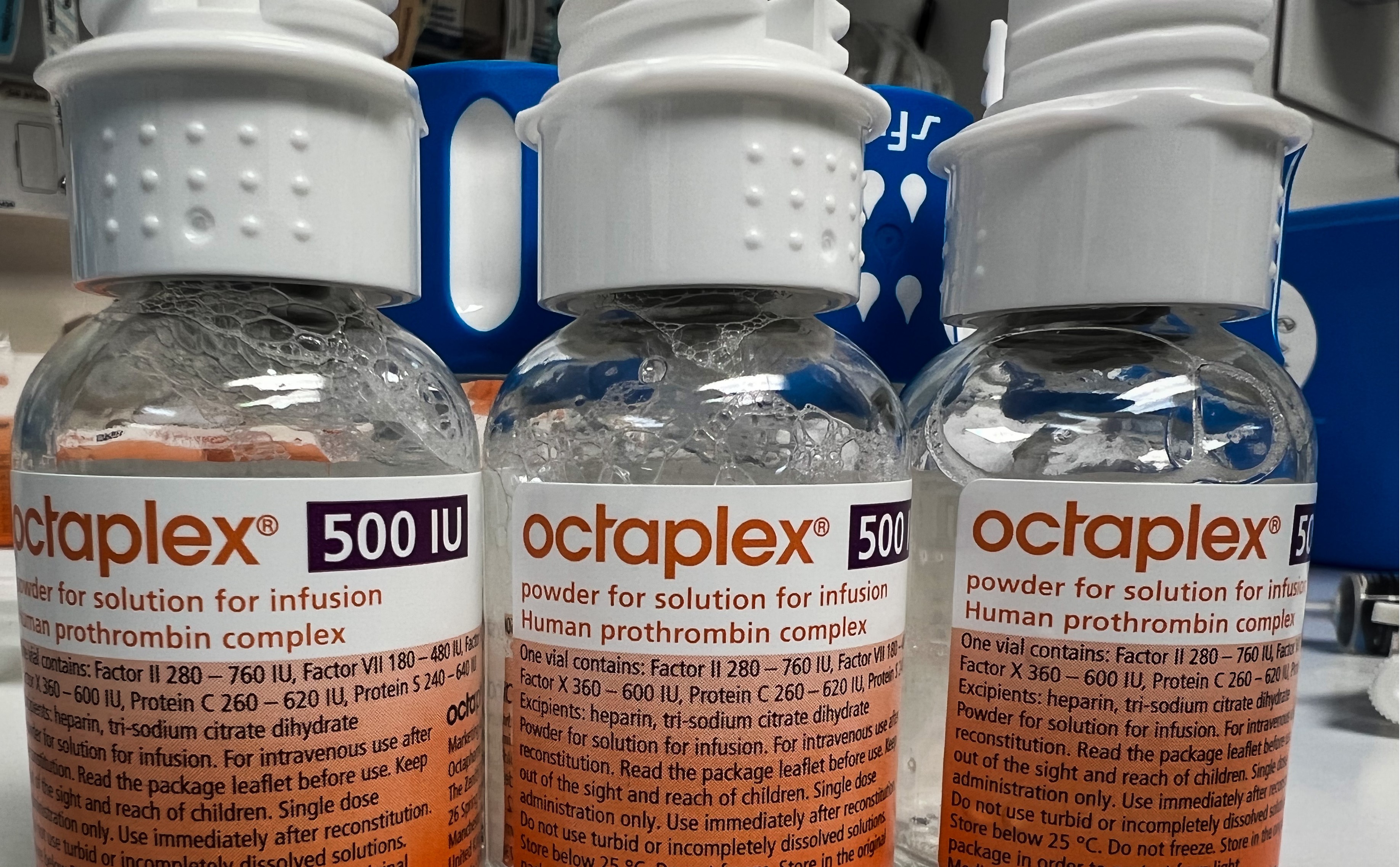
Antithrombotic Medication Reversal in TBI Patients
|
|
|
Antithrombotic medication use (anticoagulants and antiplatelet agents) significantly increases the risk of intracranial hemorrhage expansion and mortality after head trauma. This review article examines the critical management of TBI in patients taking these medications and provides detailed reversal strategies for various drugs, including specific antidotes and doses for warfarin, heparin, and direct oral anticoagulants. Click the link to view the article or watch a short AI-generated article summary (4 min 31 sec).
|
|
|
|
Popma E, Davis N, West MA. Reversal of antithrombotic medications in patients with traumatic brain injury: What you need to know. J Trauma Acute Care Surg. 2025
|
|
|
|
Trauma Happenings
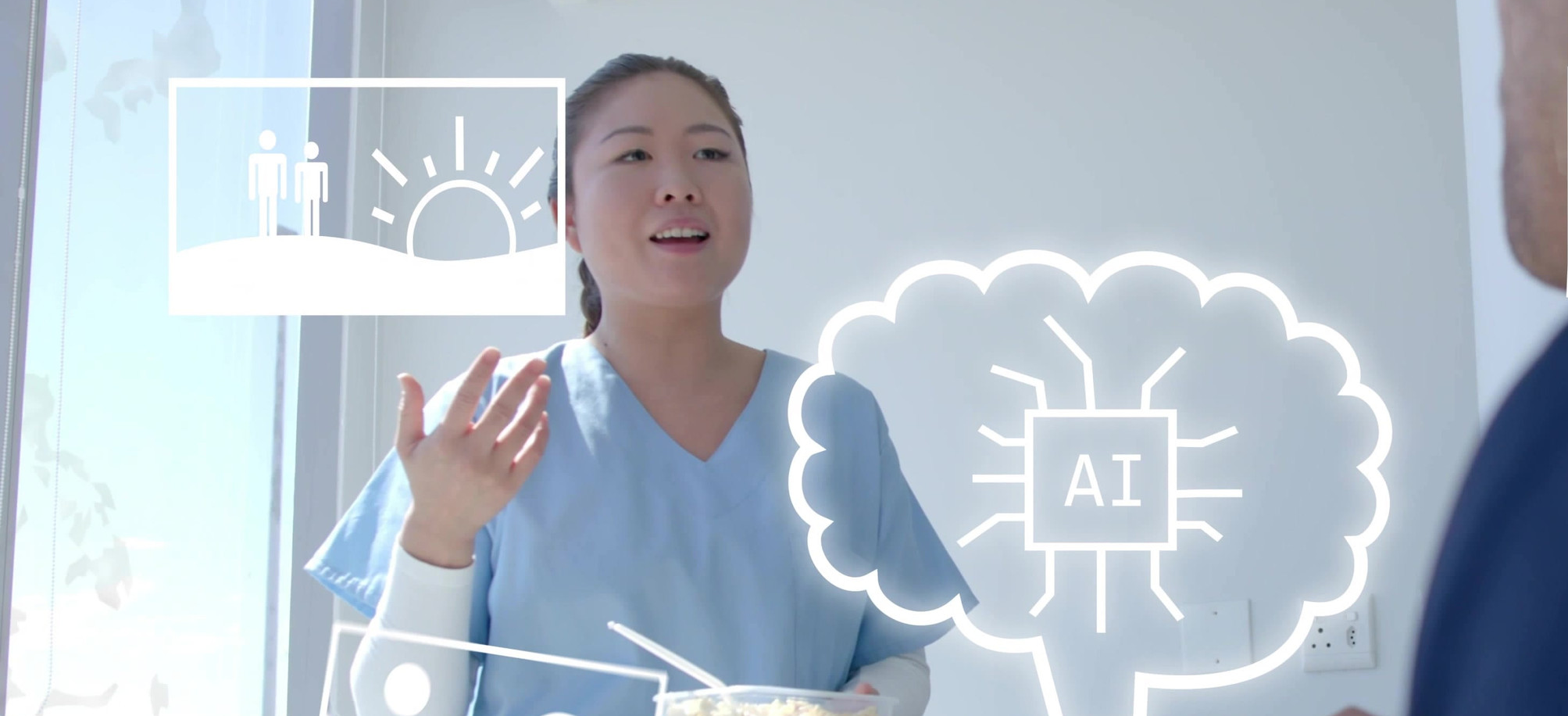
Can ambient AI work for nurses?
|
|
|
Physicians have been incorporating ambient AI into their patient encounters for several years. Whether in the doctor's office or the Emergency Department, AI tools have been used to help physicians document their assessments and plans directly in the medical record. Some trauma centers have successfully documented a busy trauma resuscitation using ambient audio and visual software programs!
Many nurses are on the fence about whether this could work in today's nursing practice, where most nurses handle multiple tasks at once. Would you be comfortable verbalizing your patient assessments and interventions so the information can be captured in the medical record? Is it possible that your verbalized information could populate all of the EHR data fields you would normally have to click through? Read more about how one Philadelphia-based health care system is piloting its ambient nursing program in this brief but very interesting article from Becker's Clinical Leadership.
|
|
|
|
|

|
![]()
|
|
If I don't pass the course posttest, will I still receive CE/NCPD hours?
|
|
If you are unsuccessful on the posttest, you have one opportunity to retest. Learners who do not pass the retest will still receive a CE/NCPD document for 18 contact hours. To achieve verification status, you must re-register and repeat the entire course.
|
|
|
|
|

|
|
|
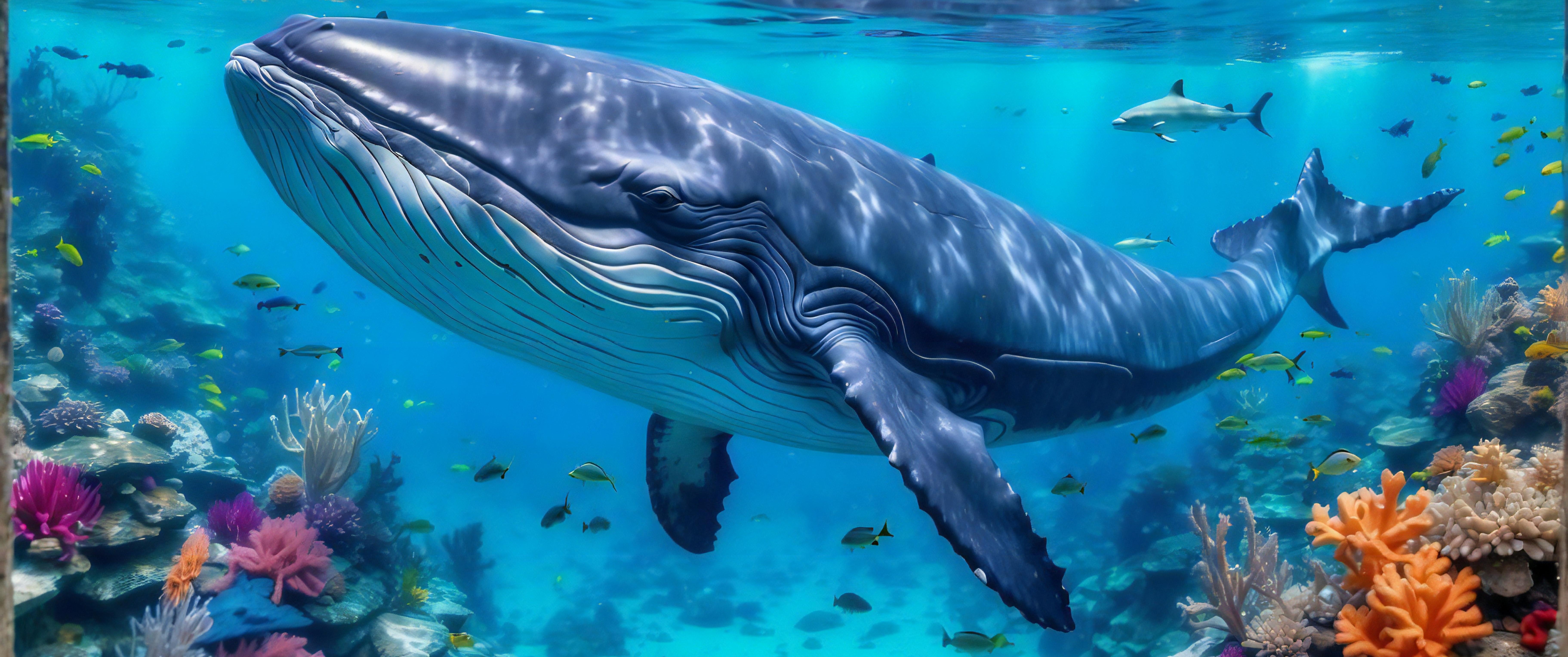
Big Bodies, Big Hearts, and Bradycardia
|
|
Blue whales, the largest animals currently living on Earth, can grow to be over 100 ft long and weigh more than 100 tons. That requires pumping a LOT of blood! To do so, blue whales have hearts that can weigh up to 1,300 pounds (590 kg), and their aortas are more than 9 inches in diameter. Interestingly, a blue whale’s heart beats only 8-10 times per minute. Talk about bradycardia! But where, exactly, would you feel for a pulse?
|
|
|
|
|

|
|
|
|
|
|
Follow Us
Want to join the trauma care conversation?
Follow Us on Facebook, Instagram, and X.
|

|
|
|
|
|

|
|
TCAR
Education Programs
tcarprograms.org
info@tcarprograms.org
Office: (503) 608-4900
International Toll-Free: +1 800-800-2015
|
|
|
|
Copyright © 2026 TCAR Education Programs. All rights reserved.
You are receiving this email because you opted in by purchasing or registering for a
course or subscribing to our newsletter on our website.
Want to change how you receive these emails?
You can
update
your preferences or
unsubscribe
|


